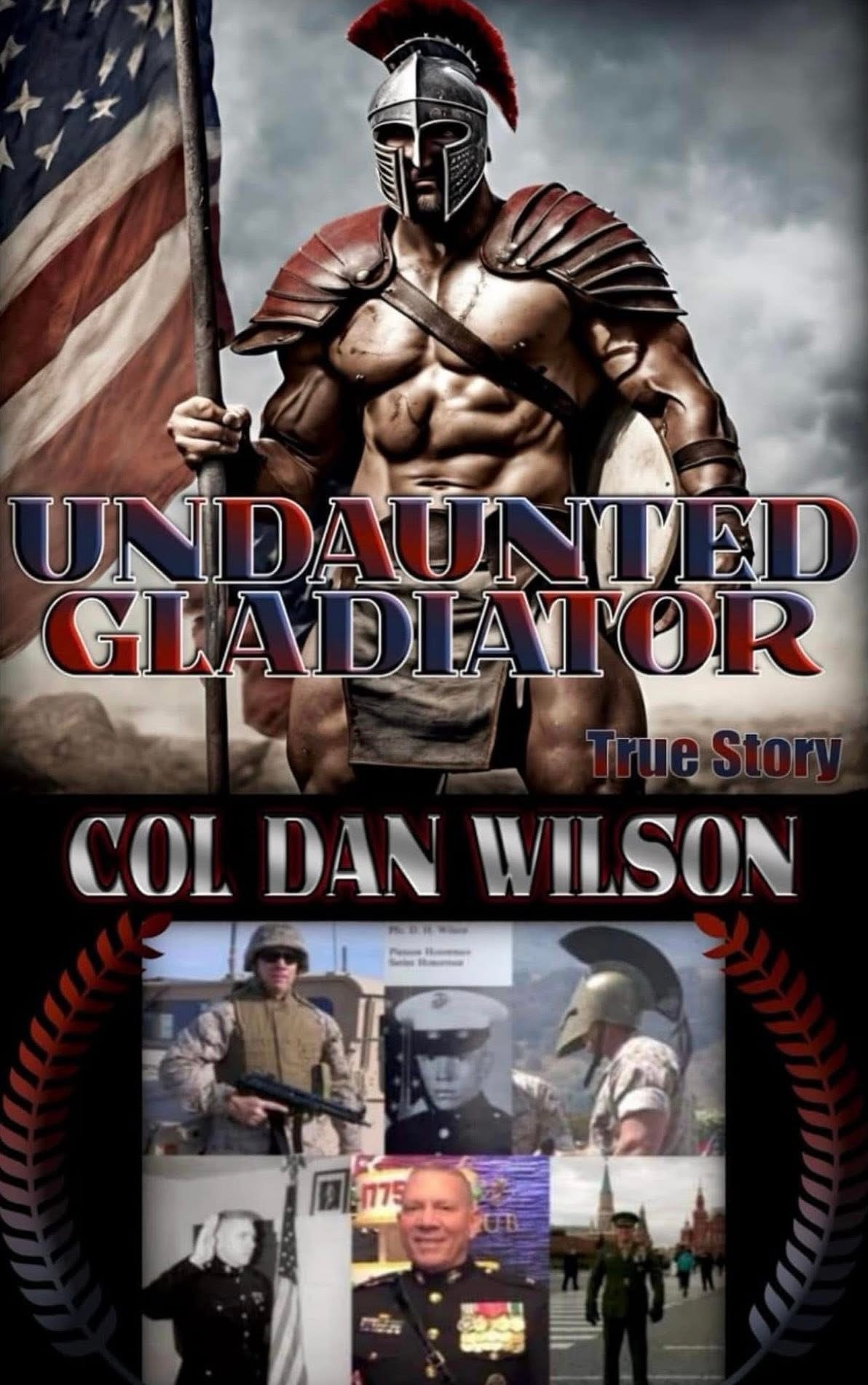
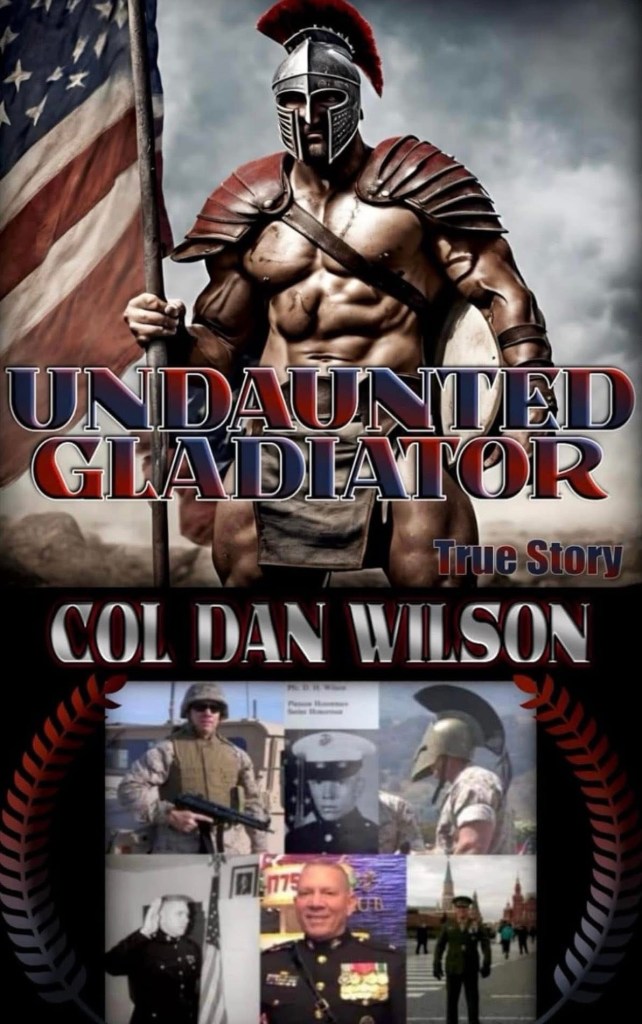
UNDAUNTED GLADIATOR: Colonel Dan Wilson’s Epic Fight for Justice After False Accusations Shattered a Legendary Marine Career

In Undaunted Gladiator, Colonel Dan Wilson recounts his epic fight for justice after false accusations shattered his distinguished Marine career, revealing shocking flaws in the military justice system and the power of unwavering faith.

Imagine a battle-hardened Marine Colonel—39 years of service, 11 deployments, Bronze Star, Legion of Merit, three Meritorious Service Medals, two Combat Action Ribbons, and a life forged in the crucible of Africa’s wilds and Iraq’s fiercest firefights—falsely accused of raping a child at a simple dinner party. Relieved of duties, dragged through a 14-month “witch hunt,” thrown into pretrial confinement, convicted in a politically charged court-martial, and locked away in the brig for 33 brutal months. That’s not fiction. That’s the jaw-dropping true story at the heart of Undaunted Gladiator by Colonel Dan Wilson.

From his missionary childhood in Sudan, Kenya, South Africa and Namibia—learning to track game with Bushmen, speaking seven languages, and climbing Mt. Kilimanjaro at 14—Wilson was destined for the Corps. He enlisted in 1981, graduated Boot Camp as Platoon and Series Honor Man, earned meritorious promotions to Sergeant in just 16 months, and rose as a “Mustang” infantry officer. He commanded four platoons, three companies, and four battalions; fought in Desert Storm and the Second Battle of Fallujah; briefed generals in the Pentagon; and served as G-3 Operations Officer for II MEF. Decorated 52 times, he lived the Marine ethos: “Semper Fi” wasn’t a slogan—it was his heartbeat.

Then came the dinner party implosion on 13 July 2016. A junior officer’s wife accused him of inappropriately touching her six-year-old daughter. NCIS launched a global fishing expedition, storming his home several times, interrogating his terrified wife, and stacking 27 charges. A second accuser emerged months later with her own wild claims. Wilson was relieved of duties, confined for seven months pretrial, and ultimately convicted on the child sexual abuse charge plus lesser misconduct counts. Sentenced to five-and-a-half years, he entered the brig wearing orange, Prisoner #00128660 Whisky Delta—Cell #13.

What follows is pure fire. Wilson doesn’t break—he rises. He finds God in the darkness (“be like that tree!”), turns to daily prayer and meditation, forges unbreakable bonds with fellow prisoners (the “finest Marines I ever served with”), and watches his brilliant civilian appellate lawyer, Katie Cherkasky, dismantle the case. On 1 July 2019, the Navy-Marine Corps Court of Criminal Appeals delivers a stunning unanimous reversal, and rebuke to the generals who convicted him—“set aside with prejudice”—the rarest of victories. A double rainbow appears over Camp Pendleton that same weekend. Divine confirmation.

Yet the system wasn’t done. Wilson signs a “dirty deal” under duress for release: voluntary retirement in exchange for “no punishment.” The convening authority reneges. He’s retired in the pay of a Lieutenant Colonel with an “Other-Than-Honorable” characterization of his very honorable service—losing $5,000+ monthly in benefits for life, banned from all Marine Corps bases for life. The very policies meant to protect victims weaponized against an innocent warrior.

Undaunted Gladiator isn’t just a memoir—it’s a clarion call. Wilson exposes how #MeToo zeal, unlawful command influence, and a “believe the female accuser at all costs” culture have corrupted military justice. He names the rot: NCIS overreach, stacked charges, biased panels, and careerist generals protecting the institution over truth. But he also shows the light—unshakable faith in God, family loyalty (his wife and daughters earn “Medals of Honor”). Post-release, he lives the “Life of Riley” in Myrtle Beach—writing, mentoring, working out, and playing Pickleball daily. He has published eight books, produced a music album and is working on finishing up three more books.

Wilson’s message rings eternal: “Everything happens for a reason.” His Higher Power whom he calls God, guided him through hell to emerge stronger, calling readers to demand reform so no other patriot suffers the same fate. Raw, riveting, and redemptive, this book will leave you furious at the system, inspired by the man, and moved to tears by the love that carried him.

If you believe in truth, justice, and the Marine Corps we all swore to defend—read Undaunted Gladiator. Buy it. Share it. Join the fight to fix what’s broken. Semper Fi, Colonel. Your story isn’t over—it’s just beginning.
https://a.co/d/09C79nxI

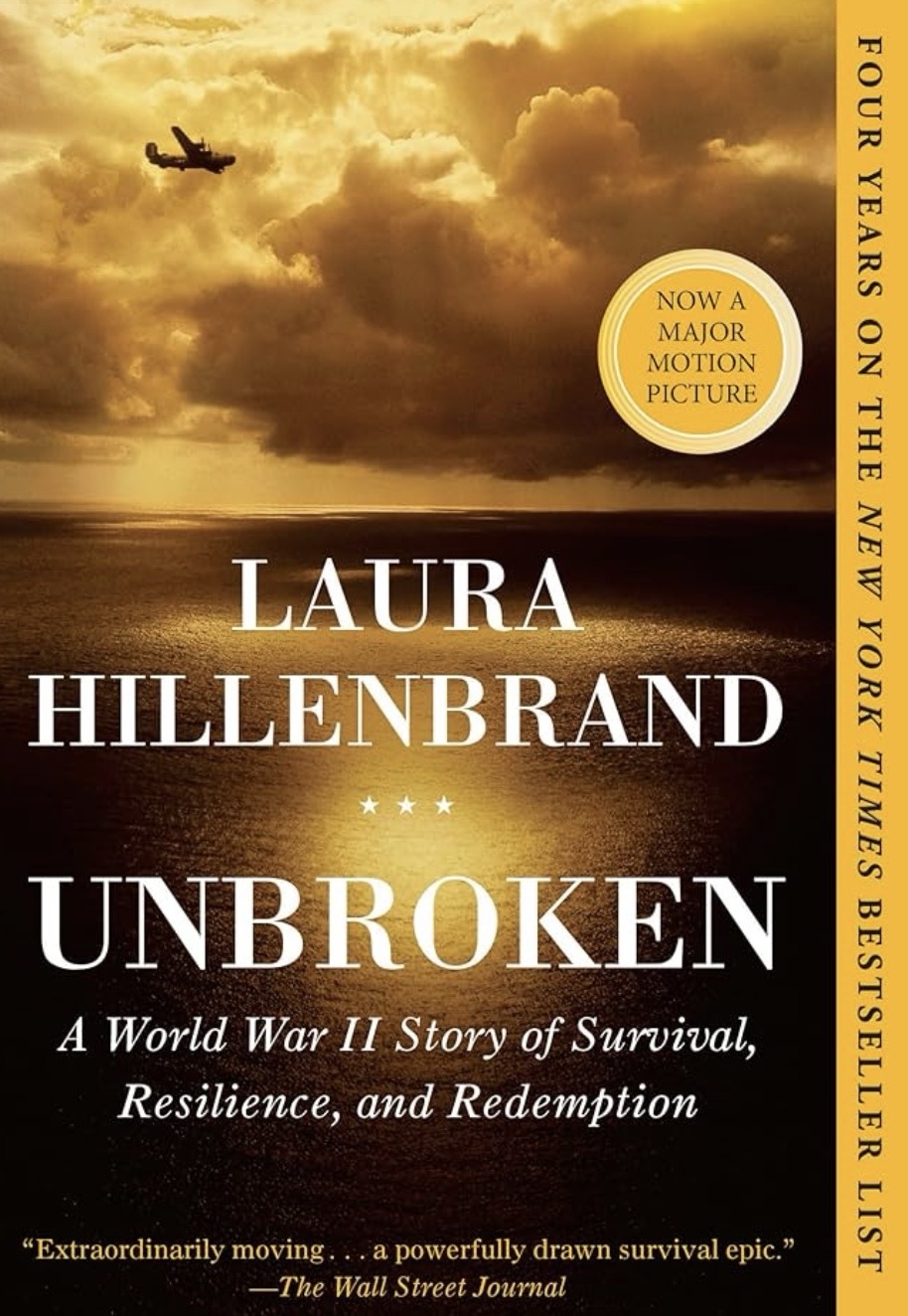
UNBROKEN: A Testament to the Indomitable Human Spirit

Hey there, fellow book lovers! If you’re anything like me, you occasionally stumble upon a story that doesn’t just entertain you—it reshapes how you view the world. That’s exactly what happened when I dove into Unbroken: A World War II Story of Survival, Resilience, and Redemption by Laura Hillenbrand. This isn’t just a book; it’s a raw, unflinching chronicle of one man’s extraordinary journey through hell and back. It is the ultimate example of human resilience!

Louis Zamperini’s life story is a masterclass in what it means to endure, adapt, and ultimately triumph. He exemplified what all of us Marines are taught by our Drill Instructors: “adapt, improvise and overcome!”

Unbroken follows the life of Louis Zamperini, a mischievous kid from California who channels his rebellious energy into becoming a world-class Olympic runner in the 1936 Berlin Games. But that’s just the setup. When World War II erupts, Zamperini’s path takes a dramatic turn into the Pacific theater, where he’s thrust into unimaginable trials: a harrowing plane crash, weeks adrift at sea facing starvation and sharks, and then the brutal realities of Japanese POW camps.

Hillenbrand, the same author behind Seabiscuit, weaves this narrative with meticulous research and vivid prose. She draws from interviews, diaries, and historical records to paint a picture that’s as historically accurate as it is emotionally charged. It’s not just a biography; it’s a pulse-pounding adventure that reads like a thriller, with themes of forgiveness, faith, and redemption threading through the chaos.

Zamperini isn’t a superhero—he’s flawed, impulsive, and very human. Yet, in the face of relentless physical and psychological torment, he clings to his dignity and will to survive. Hillenbrand doesn’t sugarcoat the horrors: the beatings, the deprivation, the mental breakdowns. But it’s through these that we see resilience in its purest form—not as some abstract ideal, but as a gritty, day-by-day choice to keep going.

What struck me most is how the book explores resilience beyond mere survival. It’s about rebuilding after the war, confronting PTSD (though it wasn’t called that back then), and finding peace. Zamperini’s story reminds us that true strength often emerges from our darkest moments. In a world where we all face our own battles—be it personal loss, health struggles, or everyday stresses—Unbroken is a beacon. It shows that resilience isn’t about being unbreakable; it’s about piecing yourself back together when you shatter. A real-world Humpty Dumpty story of putting yourself back together with God’s spirit: “I can do all things through Christ who strengthens me!”

Hillenbrand’s writing elevates this even further. Her attention to detail brings the era to life—the roar of bomber engines, the sting of saltwater, the quiet moments of camaraderie amid despair. If you’ve ever wondered how ordinary people rise to extraordinary challenges, this book answers it with unflinching honesty.

If you’re into history, biographies, or stories of triumph over adversity, Unbroken is a must. It’s perfect for fans of books like The Boys in the Boat or Band of Brothers. Even if WWII isn’t your usual jam, the universal themes make it accessible and inspiring. Just a heads up: it’s intense, so brace yourself for some tough scenes—but the payoff is worth it.

Unbroken left me in awe of the human capacity for endurance and forgiveness. It’s one of those rare reads that sticks with you long after the last page, urging you to reflect on your own resilience.

This book was a huge inspiration to me when I read it as a full bird Colonel on Parris Island. I highly recommend it to everyone!

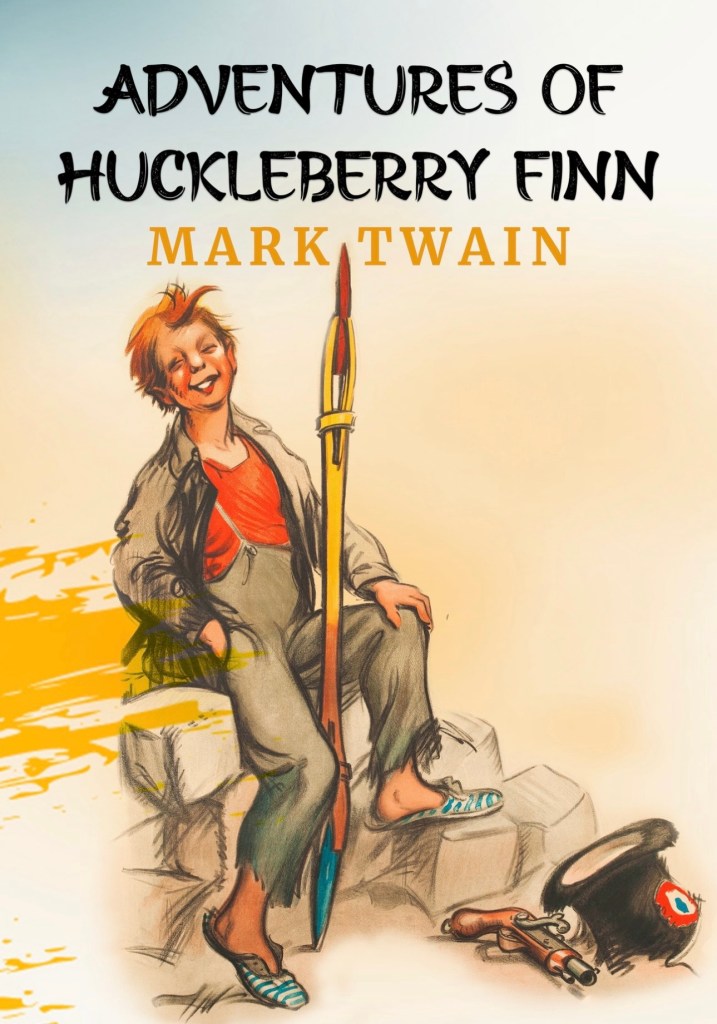
Why “Adventures of Huckleberry Finn” Fails to Float My Boat: A Disappointed Reader’s Rant

Ah, Mark Twain’s Adventures of Huckleberry Finn – hailed as a cornerstone of American literature, a satirical masterpiece that captures the spirit of the antebellum South. Or so they say. As someone who picked it up with high hopes, expecting a rollicking tale of rebellion and freedom on the Mississippi, I found myself more adrift in frustration than Huck ever was on his raft. This book, for all its acclaim, stretched my suspension of disbelief to the breaking point and left me questioning why it’s still peddled as essential reading. Let me count the ways it fell flat – and trust me, there are plenty.

First off, the plot meanders like the river it’s set on, but without any real current to propel it forward. Huck and Jim’s journey starts with promise: a boy escaping his abusive father, teaming up with an enslaved man seeking freedom. Sounds gripping, right? Wrong. What follows is a series of episodic detours that feel tacked on and utterly pointless. From the absurd feud between the Grangerfords and Shepherdsons – a pointless bloodbath that comes out of nowhere and resolves just as abruptly – to the con artists Duke and Dauphin hijacking the narrative with their ridiculous schemes, the story lurches from one contrived adventure to the next. It’s like Twain couldn’t decide on a cohesive storyline, so he just threw in whatever popped into his liquor-addled head. By the time they hit the Phelps farm for that interminable finale, I was begging for the book to end. Yes, begging!

Speaking of stretching incredulity, let’s talk about the sheer implausibility of it all. Huck, a barely literate kid from the backwoods, outsmarts adults left and right with disguises and lies that wouldn’t fool a toddler. He dresses as a girl? Sure, and no one notices his obvious boyish mannerisms until it’s convenient for the plot. Jim, portrayed as superstitious and naive, somehow survives endless perils through sheer luck rather than agency. And don’t get me started on the ending – Tom Sawyer’s elaborate “rescue” plan for Jim, which involves ridiculous contraptions like baking a pie with a rope ladder inside. It’s supposed to be satirical, poking fun at romanticized adventure novels, but it comes off as infuriatingly juvenile and undermines the book’s serious themes of slavery and morality. If satire requires me to suspend disbelief this much, count me out – it just feels lazy.

Then there’s the handling of race, which is a minefield of outdated stereotypes that make the book uncomfortable at best and offensive at worst. Jim is meant to be a sympathetic character, but Twain reduces him to a caricature: overly superstitious, speaking in dialect that’s played for laughs, and often the butt of Huck’s pranks. The infamous use of the N-word – over 200 times – is defended as “historically accurate,” but in a modern reading, it grates and distracts. Sure, Twain was critiquing racism, but the execution feels half-baked; Huck’s moral growth arc, where he decides to “go to hell” rather than turn Jim in, is poignant in isolation, but surrounded by so much problematic portrayal, it loses its impact. Why glorify a book that perpetuates harmful tropes under the guise of satire when there are better ways to explore these issues today?

Pacing is another sore spot. The book drags in parts, with long descriptions of the river and Huck’s introspections that add little to the momentum. Twain’s folksy narration might charm some, but to me, it read like filler – endless tangents on Southern life that bog down the action. And the humor? Overrated. What passes for wit often relies on slapstick or exaggerated dialects that haven’t aged well, leaving me more cringing than chuckling.

In the end, Adventures of Huckleberry Finn promised an epic tale of freedom and friendship but delivered a bloated, unbelievable mess that tests patience more than it enlightens. If you’re looking for a classic that holds up, skip this one and raft on to something else. Twain might be a legend, but this particular adventure sank for me. What about you – have you read it? Share your thoughts in the comments, but don’t expect me to defend it!

A ridiculous tale!

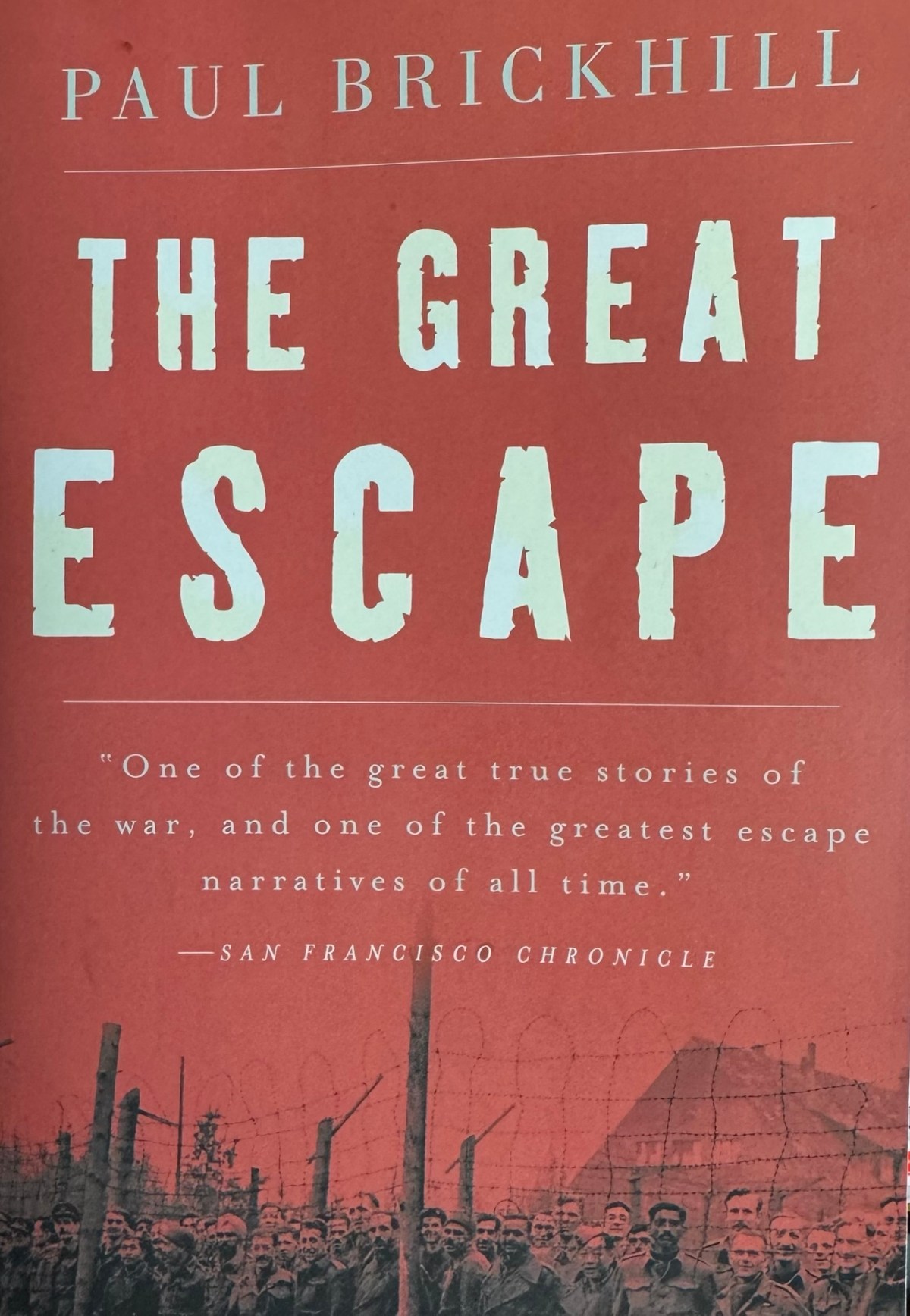
THE GREAT ESCAPE by Paul Brickhill

“Brickhill’s insider account turns a daring WWII escape into a pulse-pounding saga of human ingenuity and unbreakable spirit.”

I really enjoyed this book that I’ve been meaning to read for years. Now that I am off all social media, I have plenty of time to read and I’m loving it. Paul Brickhill’s “The Great Escape” masterfully chronicles the audacious WWII POW breakout from Stalag Luft III, blending tension, ingenuity, and human resilience. As a participant, Brickhill delivers authentic, gripping details of tunnel-digging heroics, forged documents, and daring disguises amid Nazi scrutiny. This timeless tale of camaraderie and defiance against tyranny captivates, reminding us of freedom’s cost. A must-read for history buffs—thrilling as fiction, profound as fact.

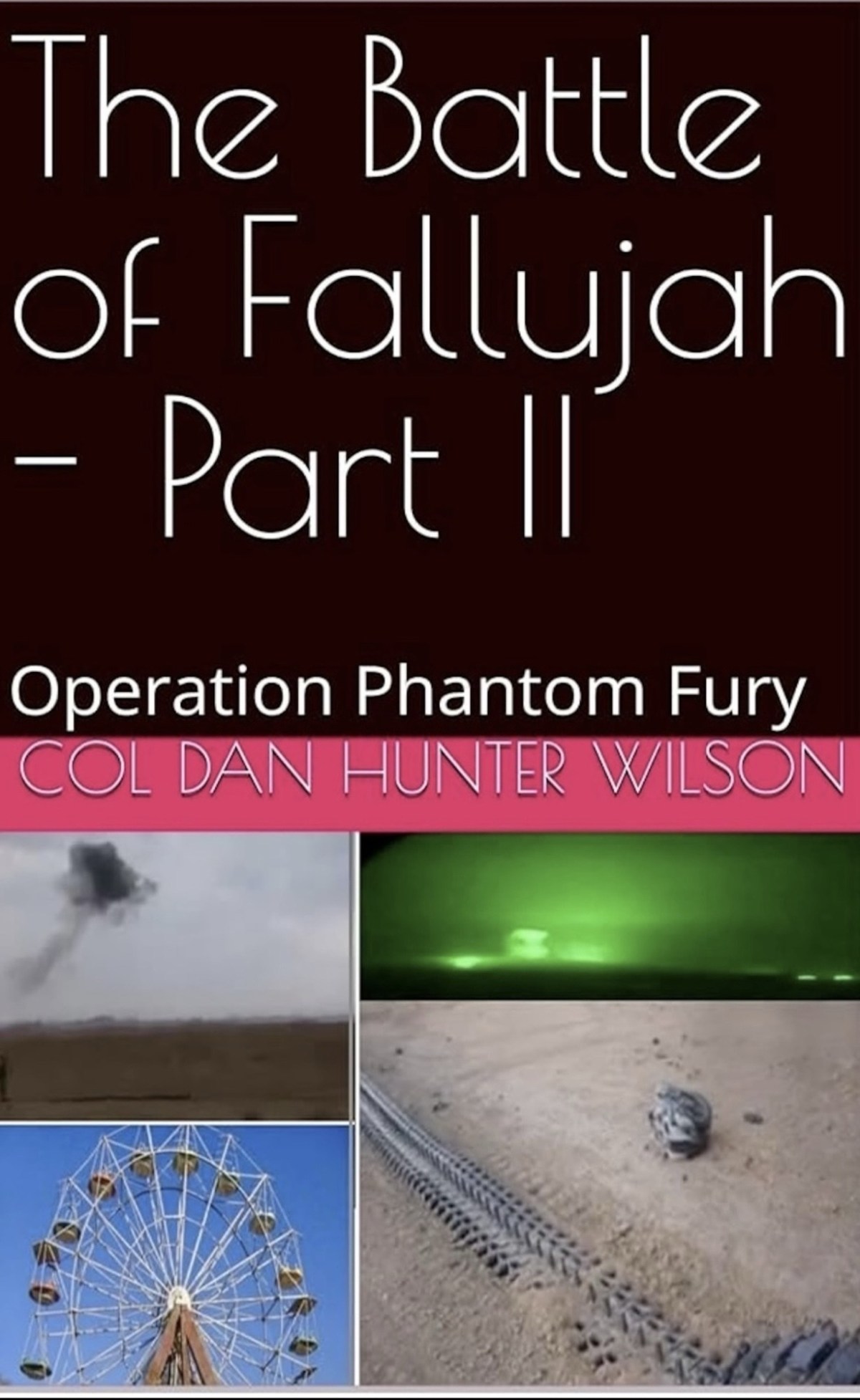
The Battle of Fallujah – Part II: Operation Phantom Fury

“November 8, 2004. RCT-1 and RCT-7 rolled into the attack at 1900 under the cover of darkness.
The Army’s heavy armor punched through the insurgent lines like a sledgehammer.
Marines and Iraqi soldiers followed, clearing house by house in the most intense urban combat since Hue City.
By the Marine Corps’ 229th Birthday, both regiments had seized MSR Michigan and controlled the center of Fallujah.
The enemy who swore they would never leave alive…were either dead, captured, or fleeing west along the Euphrates.
This is the story of how we took the fight to the terrorists in their own sanctuary — and won.”

“Remember Fallujah!” – The Battle Cry That Was Stolen from the Enemy and Given Back to America

In November 2004, the city of Fallujah was the bright ember burning at the heart of the Iraqi insurgency.

Foreign fighters, Zarqawi’s Al-Qaeda terrorists, and local thugs had turned the “City of Mosques” into a fortified hellhole of IED factories, torture chambers, and execution sites.

They bragged they would make it America’s Stalingrad.

They were wrong.

Operation Phantom Fury (Al Fajr – “New Dawn”) became the single most decisive urban battle of the Iraq War.

In 10 days of savage house-to-house fighting, coalition forces crushed the insurgency’s stronghold, killed or captured thousands of fighters, and opened the door for Iraq’s first free elections.

And one Marine officer was in the middle of it all — planning it, briefing Congress and the media, then stepping into the fight with the Army’s Black Jack Brigade before taking over as I MEF Forward’s Current Operations Officer.

That officer was then-Major (soon-to-be LtCol) Dan Hunter Wilson.

Twenty years later, on the anniversary of the battle, Colonel Wilson (Ret.) has expanded his original 2005 Marine Corps Gazette article into a powerful, firsthand book:

The Battle of Fallujah – Part II: Operation Phantom Fury

This is not another dry history book.

This is the raw, unfiltered account from the man who:

Helped draft the final operations order signed by LtGen John Sattler

Served as senior Marine liaison to the Army’s Black Jack Brigade during the assault

Became the MEF’s Current Operations Officer and VIP briefer (briefing Senators McCain, Kerry, Biden, Clinton, and more)

Watched Marines, Soldiers, Sailors, Airmen, and Iraqi partners fight with the same indomitable spirit that has defined the Corps for 229 years

You’ll read the real story behind:

The brilliant shaping operations and feints that fooled the enemy

The night assault from the north that shattered insurgent defenses in hours

The “three-building war” — fighting, clearing caches, and delivering humanitarian aid on the same block

The wounded Marine NCO who raised his trigger finger and said, “Sir, send me back to my team. My trigger-finger is still good!”

How the battle directly led to 40% fewer attacks, the first free elections in Anbar, and the Sunni Awakening that broke the back of the insurgency

And the sobering post-script:

How the hard-won victory was later squandered by a precipitous U.S. withdrawal, allowing ISIS to rise — and why Fallujah had to be fought for all over again.

This book is Colonel Wilson’s gift to every Marine, Soldier, Sailor, Airman, and Iraqi who fought in Phantom Fury.

It is dedicated to those who sacrificed “some” and those who sacrificed all.

If you want to understand what really happened in Fallujah — told by a warrior who was there from planning to victory — this is the book.

Available now on Amazon:

Paperback

Kindle eBook

Audible Audiobook – narrated by the author

Semper Fi. Remember Fallujah.

— Colonel Dan Hunter Wilson, USMC (Ret.)

Myrtle Beach, South Carolina

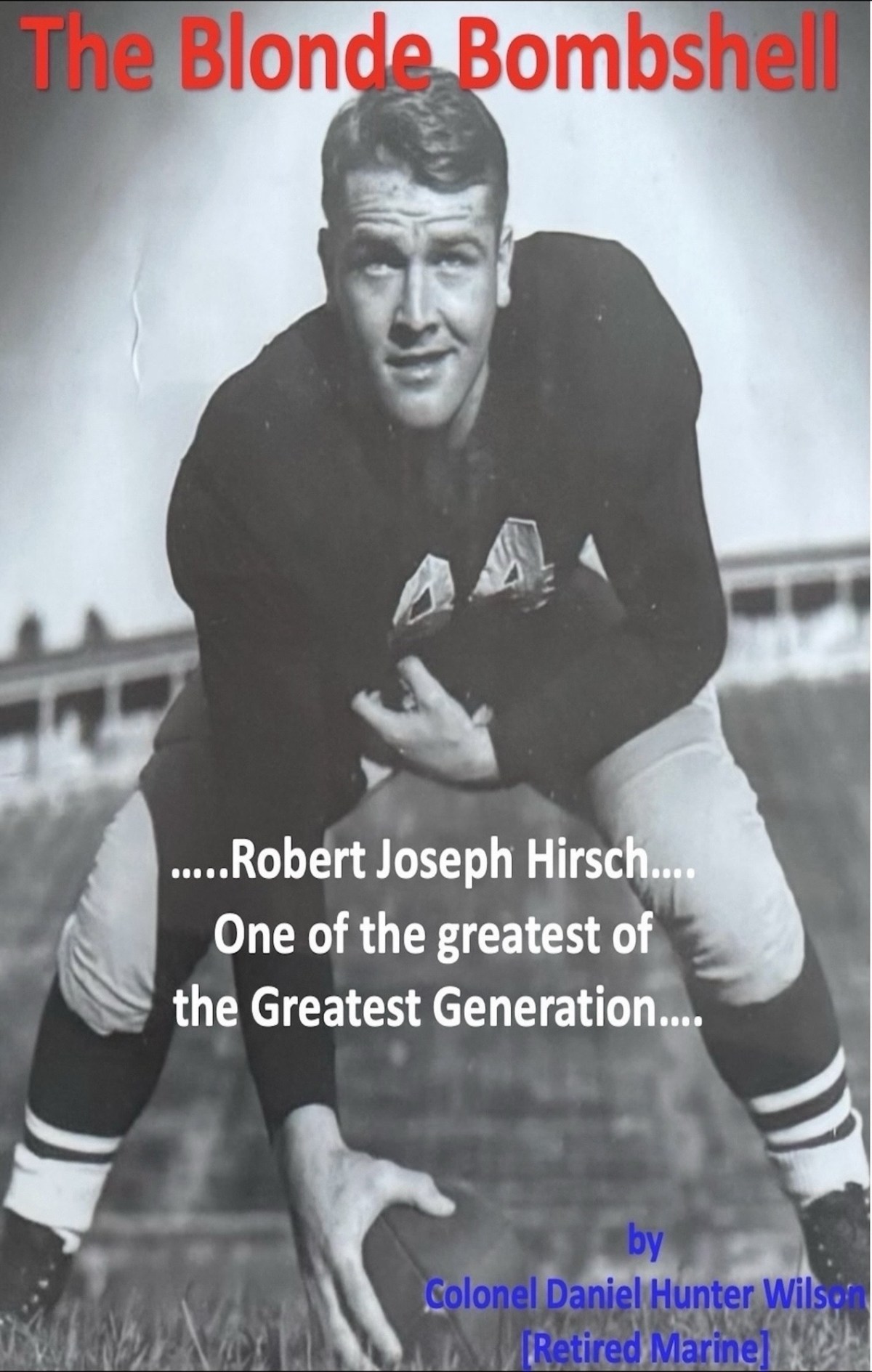
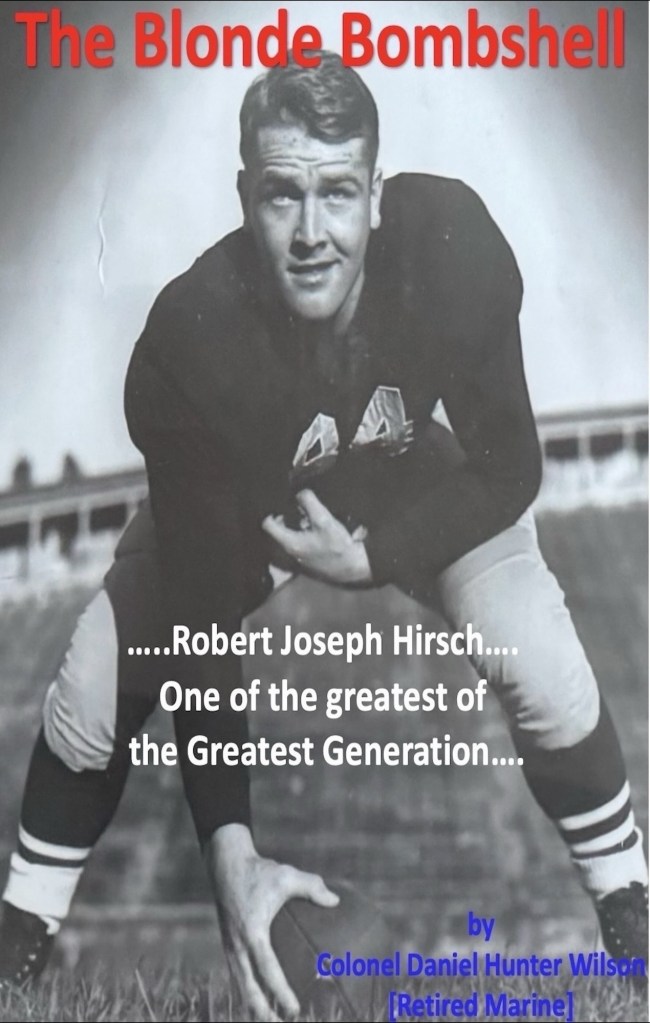
THE BLONDE BOMBSHELL 

The day Bob Hirsch smuggled a puppy across the Atlantic — and accidentally created a WWII legend
He was twenty-one, fresh out of Cornell, and about to ferry a brand-new C-47 to war.
In a Missouri kitchen the night before departure, a girl offered him a four-week-old puppy. “You’re flying your own plane, right?” she said.
Bob looked at the wriggling brown-and-white ball of fur… shrugged… and said, “What the hell.”
He tucked the pup inside his canvas flight bag, named him Tiger, and two days later lifted off from Baer Field, Indiana — with the dog curled up in a padded flying helmet under his seat.
Tiger crossed the North Atlantic through storms that almost killed them. He survived Greenland, Iceland, and landed at Greenham Common, England, where five pilots in a Quonset hut swore him in as the squadron’s secret mascot.
Tiger flew 167 combat missions. He rode in the cockpit during paratrooper drops over Holland, supply runs for Patton’s Third Army, and mercy flights out of Bastogne. He never got airsick. Never panicked. Just wagged his tail and waited for scraps in the mess hall.
After Market Garden, the squadron held an awards ceremony. The commander broke every regulation in the book, pinned an Air Medal ribbon on a tiny knitted sweater, and Tiger sat there like he’d earned it.
Photographers snapped away.
The picture hit Stars and Stripes, then the front page of the Buffalo Courier-Express, then the New York Times.
A four-week-old puppy nobody was supposed to bring had just become the most famous four-legged aviator on Earth.
And the blonde-haired lineman who smuggled him?
They used to call him “The Blonde Bombshell” on the Cornell football field.
Turns out the name fit the sky even better.

Holy smokes — if you only read ONE book this year, make it THIS one.

The Blonde Bombshell: Robert Joseph Hirsch — One of the Greatest of the Greatest Generation by Colonel Daniel Hunter Wilson (Ret.)

I just finished the final page and I’m still buzzing. This isn’t a biography. This is a rocket ride through the 20th century with the most ridiculously accomplished, humble, hilarious, and straight-up heroic human being you’ve never heard of… until now.

Bob Hirsch was:

• A Depression-era Buffalo kid who became an All-Everything football lineman at Cornell (they literally nicknamed him “The Blonde Bombshell” because when he hit you, you saw stars).

• An NFL draftee who walked away from the Eagles to fly C-47s in World War II.

• The guy who smuggled a four-week-old puppy named Tiger across the Atlantic in his helmet, flew him on 167 combat missions, and watched Tiger get his own Air Medal ribbon pinned on a knitted sweater in front of the whole squadron (Stars & Stripes ran the photo worldwide — Tiger was basically the 1940s version of a viral sensation).

• The pilot who personally delivered “liberated” French champagne to Eisenhower’s HQ on orders from Patton himself… then quietly diverted 10% for the boys in the Quonset hut.

• The man who flew General Anthony McAuliffe (yes, the “NUTS!” guy) around the Battle of the Bulge battlefield in a Gooney Bird so the general could see it from the air.

• The mayor who turned Myrtle Beach from a sleepy beach town into the modern resort powerhouse it is today (he literally annexed the old Air Force base and rewrote the entire city government structure while making $250 a month).

• The father of TEN kids, husband of 76 years to the same woman, patriarch of a clan that now numbers in the dozens of grand- and great-grandkids.

• A centenarian who still works out every single day and will tell you, with a straight face, that he’s worried he doesn’t have enough time left to finish what God wants him to do.

And that’s just the highlight reel.

The writing is electric. Colonel Wilson sat with Bob for three straight years, week after week, and you can feel every conversation. The dialogue pops, the scenes are cinematic, the humor is dry and perfect. You’ll laugh out loud at Tiger riding along on missions, tear up when Bob loses him after the war, and feel your chest swell when he talks about Ethel making every suit he ever wore and raising ten kids like it was nothing.

This book is everything a Greatest Generation story should be: gritty, funny, heartbreaking, triumphant, and deeply human. It’s also a masterclass in how to live a life that actually matters.

If you have a dad, a grandfather, a son, a daughter, a friend who needs reminding what real courage, real love, and real legacy look like — hand them this book.

Buy it. Read it. Then go hug someone you love and tell them they’re your Blonde Bombshell.

Available right now on Amazon (paperback, hardcover, Kindle, and audiobook narrated by the author himself — and trust me, you want the audio version).

Bob Hirsch just turned 102. He’s still here, still sharp, still inspiring everyone who meets him.

Don’t wait. Meet the man while you still can.

Semper Fi, Bob.

And thank you, Colonel Wilson, for giving us this masterpiece.

You’re gonna want to clear your schedule. Once you start, you’re not putting it down until the last page. I guarantee it.

https://a.co/d/07kGeBzJ

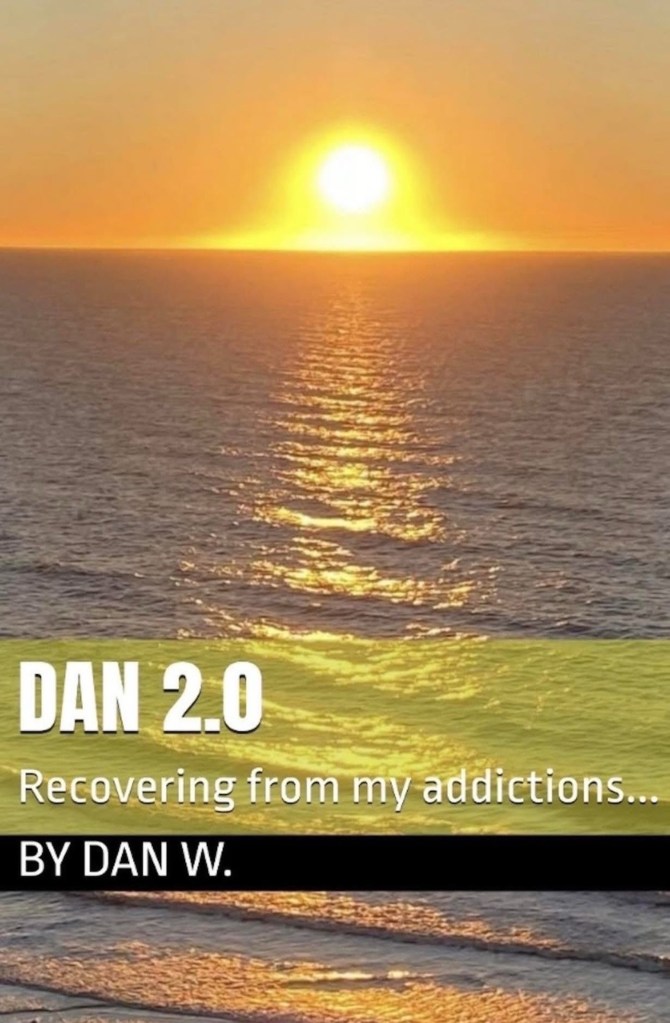
Dan 2.0 by Dan W.

From Rock Bottom in the Brig to Dan 2.0: A Marine Colonel’s Brutally Honest Guide to Beating Three Addictions at Once

He walked out of military prison on October 18, 2019, wearing his Colonel’s uniform, singing “Free at Last” at the top of his lungs.

Less than an hour later he was drinking whiskey straight from the bottle his lawyer’s husband had just handed him.

That’s Dan Wilson – Mustang Colonel, combat veteran of Desert Storm and two tours in Iraq, survivor of Africa’s crocodiles and black mambas, and the most senior Colonel in the Marine Corps on the day he retired.

He had just survived nearly three years behind bars on a conviction the appellate court later threw out “with prejudice” for factual and legal insufficiency. He had lost everything except his family and his pride.

And the first thing he did with his freedom was pick up a drink.

If you think that’s rock bottom, wait until you read what came next.

In Dan 2.0 – Recovering from my addictions, Dan lays it all out with the same no-BS, zero-self-pity voice that made Out of Africa and Into the Corps impossible to put down.

He doesn’t sugar-coat it:

•  Alcohol became his Higher Power after the false accusation, the raids, the pre-trial confinement, the court-martial, the brig.

•  Copenhagen dip was his constant companion in Fallujah, in the Pentagon, in the prison smuggling operation that landed him in solitary.

•  Caffeine turned him into an asshole who couldn’t stop firing off angry emails and posts.

He quit them one at a time, in order of deadliness: alcohol first, then nicotine, then caffeine.

And he did it the only way that actually worked for him: surrendering to a Higher Power and working the program of Alcoholics Anonymous like his life depended on it (because it did).

This is not a “how I white-knuckled it with Marine discipline” story.

It’s a “I finally admitted I was powerless and asked God for help” story.

You’ll read about:

•  The exact morning prayer he still says on his knees every single day (it’s short, it’s powerful, and it works).

•  The daily routine that replaced whiskey, dip, and coffee with endorphins, gratitude, and real peace.

•  The AA pearls of wisdom he collected like combat ribbons (“Worry is an emotional indulgence,” “Feelings aren’t facts,” “If nothing changes, nothing changes”).

•  How he lost 117 pounds, wrote five books in retirement, started playing pickleball like a warrior, and now lives a life “beyond my wildest dreams.”

Most importantly, you’ll feel the hope on every page.

Dan doesn’t preach. He just tells the truth:

“I came for my drinking and stayed for my thinking.”

“Once an alcoholic, always an alcoholic – just like once a Marine, always a Marine.”

“The miracle is buried in simplicity.”

If you, or someone you love, is wrestling with alcohol, nicotine, caffeine, or the feeling that “I should be able to handle this on my own,” this book is the no-nonsense, battle-tested map you’ve been looking for.

It’s raw.

It’s funny in places.

It’s hopeful as hell.

And it’s written by a man who has stared down terrorists, false accusations, prison bars, and his own worst impulses – and come out the other side sober, grateful, and free.

Dan 2.0 is available now on Amazon in paperback, hardcover, Kindle, and audiobook (narrated by the man himself – you want to hear him tell these stories).

Buy it.

Read it.

Then pass it to someone who needs it.

Because if a hard-charging, battle-scarred Marine Colonel can go from whiskey river to living beyond his wildest dreams…

so can you.

Semper Fi, Colonel.

And thank you for writing the book that so many of us didn’t know we needed.

(And yes – this pairs perfectly with Out of Africa and Into the Corps. Same voice, same honesty, same man – just different chapters of an absolutely epic life.)

https://a.co/d/0bRgPIuE

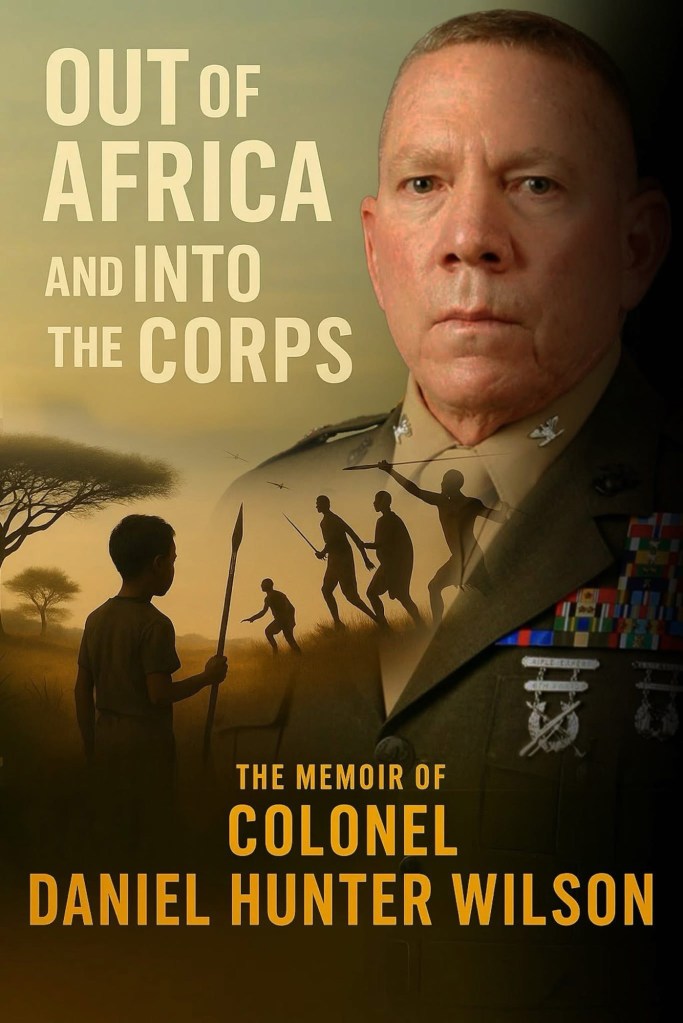
OUT OF AFRICA AND INTO THE CORPS

From Naked in the Nile to Colonel in the Corps: One Man’s Epic Journey Will Make You Want to Live Harder

I just finished a book that left me staring at the wall for a solid ten minutes, half laughing, half wondering how one human being could possibly have packed so much life into one lifetime.

The book is Out of Africa and Into the Corps by Colonel Dan Hunter Wilson, USMC (Ret.).

And yes, the title is exactly that good.

Imagine being conceived in Bethlehem (the real one), born during a Pacific Northwest snowstorm, then shipped back as an infant to a mud-hut village on the banks of the Nile where your earliest memory is stripping naked so the local kids would stop feeling sorry for you. That’s page one.

From there it only gets wilder:

Learning to swim in crocodile-infested waters because Dad literally threw you in (“sink or swim, son”).

Throwing spears with Zulu warriors, hunting with Bushmen who taught you to track lions and kill black mambas with an air rifle before breakfast.

Building a bridge in the Sudanese bush at 18 while the village chief tried to marry you off to his daughters.

Then… enlisting in the Marines, rising from enlisted electronic warfare operator to Mustang Colonel, commanding in Desert Storm, Fallujah, Iraq again, the Pentagon, Parris Island, Okinawa, and somehow still finding time to get Black Belt in MCMAP, earn 23 Expert rifle/pistol badges, and fly a Cessna at age nine because Dad handed you the controls.

And that’s just the first half.

The second half is the part that will gut-punch you: the raw, unfiltered story of what happened when a truth-telling, irreverent, combat-proven Marine ran headlong into the military justice system. It’s ugly, it’s infuriating, and it’s told with zero self-pity and a lot of dark humor. You will finish Chapter 16 and want to throw the book across the room—then immediately pick it back up because you have to know how it ends.

Wilson writes like he talks: straight, funny, occasionally profane, always honest. He doesn’t polish the rough edges. He hands them to you and says, “Here. This is what actually happened. Can you handle the truth?”

The Kindle/e-book version is loaded with photos—actual snapshots from the Nile, Zululand, the Sudan, boot camp, Fallujah, the brig, retirement. They make the stories hit even harder.

If you’ve ever wondered what real resilience looks like, what servant leadership actually costs, or what it feels like to stare down crocodiles, terrorists, bureaucrats, and your own demons and still come out swinging—this is the book.

I’m not saying it’ll change your life.

I’m saying it might remind you what a life actually looks like when it’s lived at full throttle.

Grab it. Read it. Then go do something that scares you a little.

Out of Africa and Into the Corps is available right now on Amazon in paperback, hardcover, Kindle (with the pictures), and audiobook (read by the man himself—trust me, you want to hear him tell these stories).

You’re going to want this one on your shelf.

And you’re going to want to hand it to your kids someday and say, “This. This is how you live.”

Semper Fi, Colonel.

And thank you for the ride.

“The Man, The Myth, The Legend!

https://a.co/d/0j7TuwTh