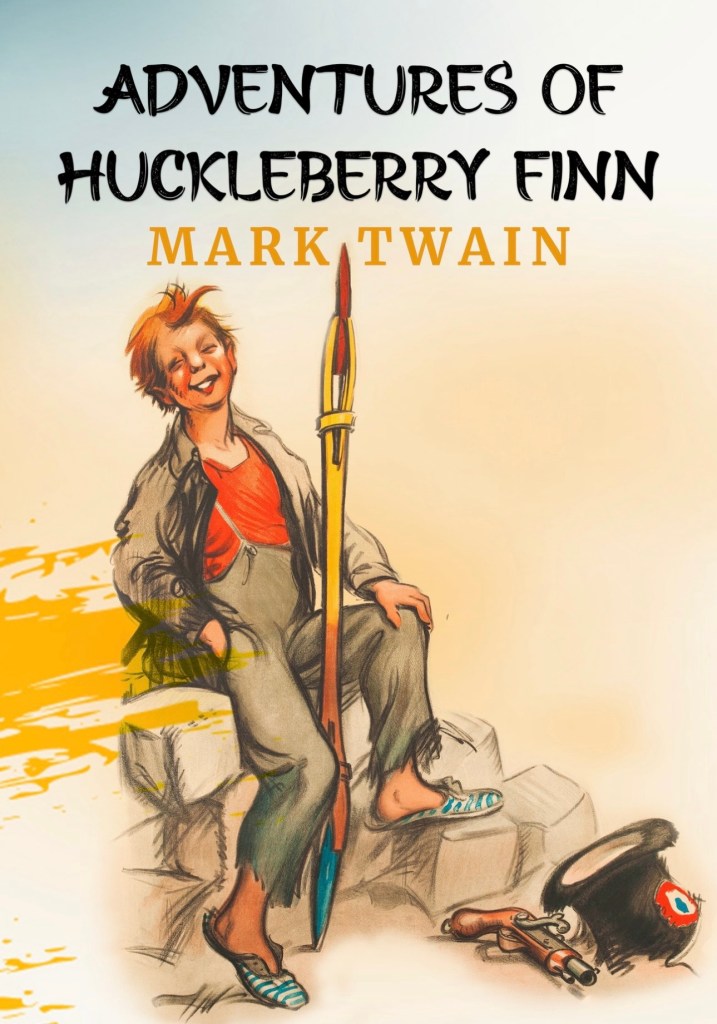
Ah, Mark Twain’s Adventures of Huckleberry Finn – hailed as a cornerstone of American literature, a satirical masterpiece that captures the spirit of the antebellum South. Or so they say. As someone who picked it up with high hopes, expecting a rollicking tale of rebellion and freedom on the Mississippi, I found myself more adrift in frustration than Huck ever was on his raft. This book, for all its acclaim, stretched my suspension of disbelief to the breaking point and left me questioning why it’s still peddled as essential reading. Let me count the ways it fell flat – and trust me, there are plenty.
First off, the plot meanders like the river it’s set on, but without any real current to propel it forward. Huck and Jim’s journey starts with promise: a boy escaping his abusive father, teaming up with an enslaved man seeking freedom. Sounds gripping, right? Wrong. What follows is a series of episodic detours that feel tacked on and utterly pointless. From the absurd feud between the Grangerfords and Shepherdsons – a pointless bloodbath that comes out of nowhere and resolves just as abruptly – to the con artists Duke and Dauphin hijacking the narrative with their ridiculous schemes, the story lurches from one contrived adventure to the next. It’s like Twain couldn’t decide on a cohesive storyline, so he just threw in whatever popped into his liquor-addled head. By the time they hit the Phelps farm for that interminable finale, I was begging for the book to end. Yes, begging!
Speaking of stretching incredulity, let’s talk about the sheer implausibility of it all. Huck, a barely literate kid from the backwoods, outsmarts adults left and right with disguises and lies that wouldn’t fool a toddler. He dresses as a girl? Sure, and no one notices his obvious boyish mannerisms until it’s convenient for the plot. Jim, portrayed as superstitious and naive, somehow survives endless perils through sheer luck rather than agency. And don’t get me started on the ending – Tom Sawyer’s elaborate “rescue” plan for Jim, which involves ridiculous contraptions like baking a pie with a rope ladder inside. It’s supposed to be satirical, poking fun at romanticized adventure novels, but it comes off as infuriatingly juvenile and undermines the book’s serious themes of slavery and morality. If satire requires me to suspend disbelief this much, count me out – it just feels lazy.
Then there’s the handling of race, which is a minefield of outdated stereotypes that make the book uncomfortable at best and offensive at worst. Jim is meant to be a sympathetic character, but Twain reduces him to a caricature: overly superstitious, speaking in dialect that’s played for laughs, and often the butt of Huck’s pranks. The infamous use of the N-word – over 200 times – is defended as “historically accurate,” but in a modern reading, it grates and distracts. Sure, Twain was critiquing racism, but the execution feels half-baked; Huck’s moral growth arc, where he decides to “go to hell” rather than turn Jim in, is poignant in isolation, but surrounded by so much problematic portrayal, it loses its impact. Why glorify a book that perpetuates harmful tropes under the guise of satire when there are better ways to explore these issues today?
Pacing is another sore spot. The book drags in parts, with long descriptions of the river and Huck’s introspections that add little to the momentum. Twain’s folksy narration might charm some, but to me, it read like filler – endless tangents on Southern life that bog down the action. And the humor? Overrated. What passes for wit often relies on slapstick or exaggerated dialects that haven’t aged well, leaving me more cringing than chuckling.
In the end, Adventures of Huckleberry Finn promised an epic tale of freedom and friendship but delivered a bloated, unbelievable mess that tests patience more than it enlightens. If you’re looking for a classic that holds up, skip this one and raft on to something else. Twain might be a legend, but this particular adventure sank for me. What about you – have you read it? Share your thoughts in the comments, but don’t expect me to defend it!

 A 110 PERCENT MENTALITY-THE COLONEL'S CORNER